
Applications
for
linear
Lights
Linear lighting solutions for coves, light joints, stairs, handrails, furniture, work areas and architectural room designs.
Linear luminaires create orientation, structure, and atmosphere. They can illuminate rooms evenly, emphasize architecture, define zones, or precisely showcase objects—from indirect cove lighting to functional lines of light in the workspace.
What lighting challenge do you want to solve?
Overview of application areas
Offices & Workplaces
Retail & Sales Areas
Education & Libraries
healthcare
Hotels, restaurants & lounges
Industrial & Warehouses
Public Buildings & Transport
Exterior areas & facades
Cove lighting
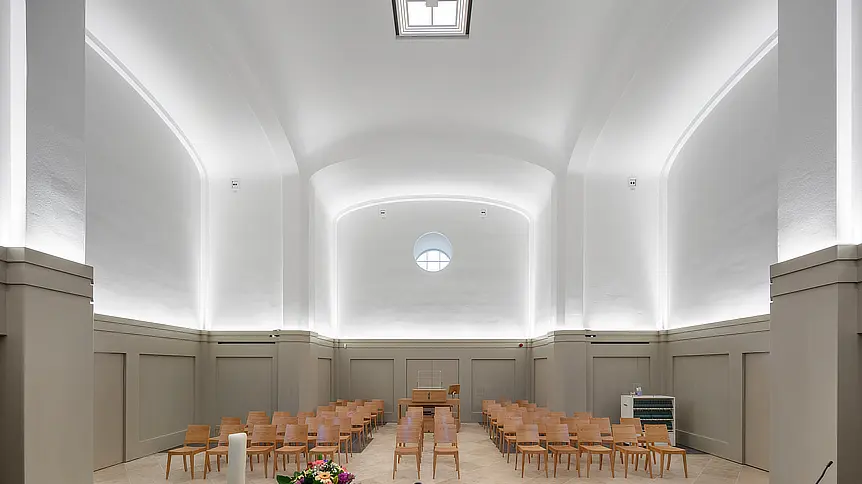
In cove lighting, the light sources are discreetly integrated into a cove, so the light itself is not directly visible. Instead, it is reflected off ceilings or walls, creating a soft, even lighting effect. This indirect and glare-free illumination creates a decorative effect that subtly accentuates the architecture and lends the room a modern, sophisticated atmosphere.
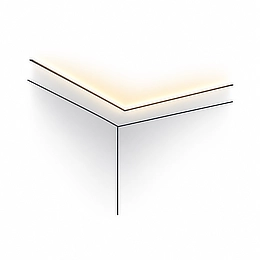
Perimeter ceiling cove
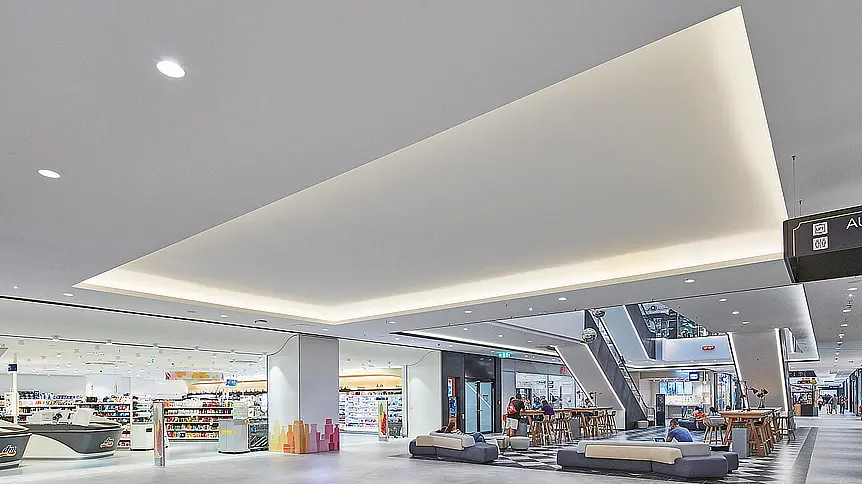
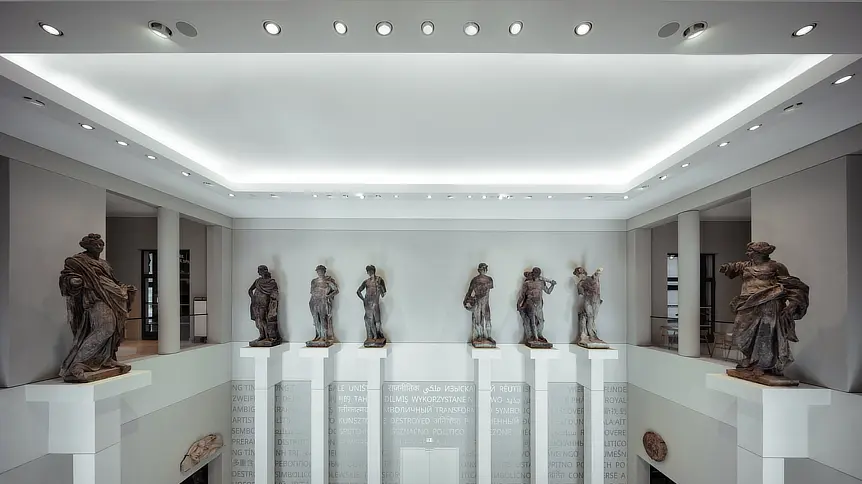
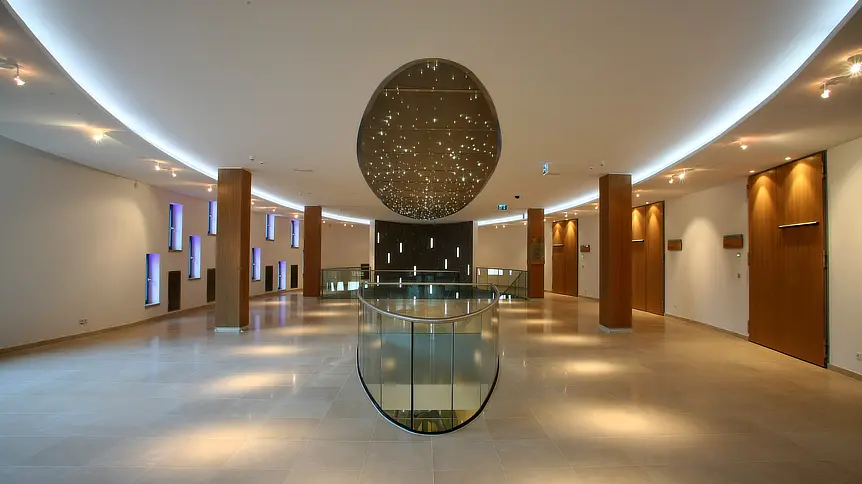
With a cove ceiling, the light source is concealed along the ceiling contour—often as an integral part of a suspended ceiling. The light is not directly visible but is directed indirectly onto the ceiling surface and from there evenly reflected into the room. This creates a soft, calm, and virtually shadow-free ambient light that visually opens up the room and makes the ceiling appear lighter and higher. The cove lighting precisely traces the room's contours, supports clear zoning, and lends the room a sense of spaciousness and a high-quality architectural atmosphere.
Effect
- homely and elegant
- diffuse ambient lighting
- "floating ceiling" effect
Typical application
- Living room
- Hotels
- Shopping arcades / public buildings
- Lounges
- Reception areas
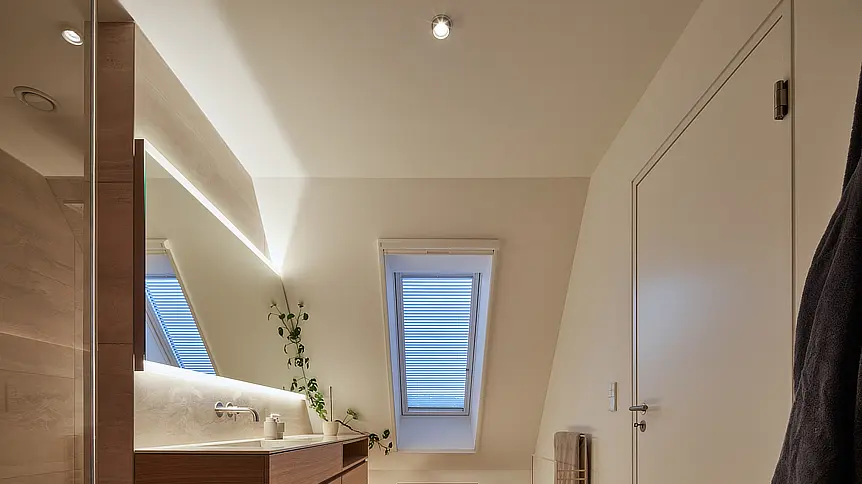
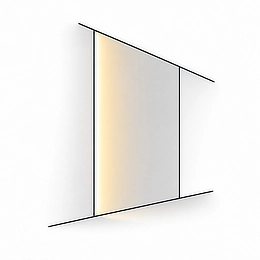
Backlit wall or wall/light gap
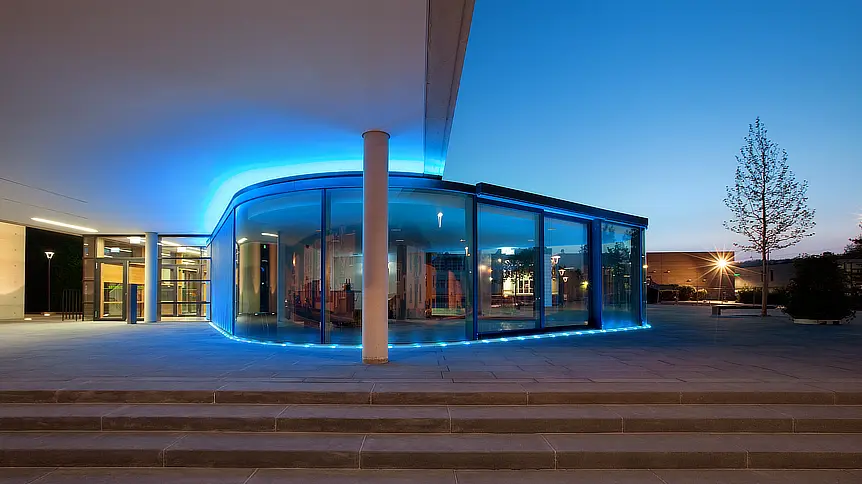
The lighting is concealed behind a wall/ceiling element or panel and emerges laterally from a narrow groove. This strongly emphasizes the wall surface and creates a striking contrast with the floor and ceiling. The lighting thus acts more as an accent than as a diffused surface.
Effect
- modern and minimalist
- The object appears to be floating freely
- strong depth effect
Typical application
- TV walls
- Art objects
- Mirror
- wall panels
- Trade fair and shopfitting
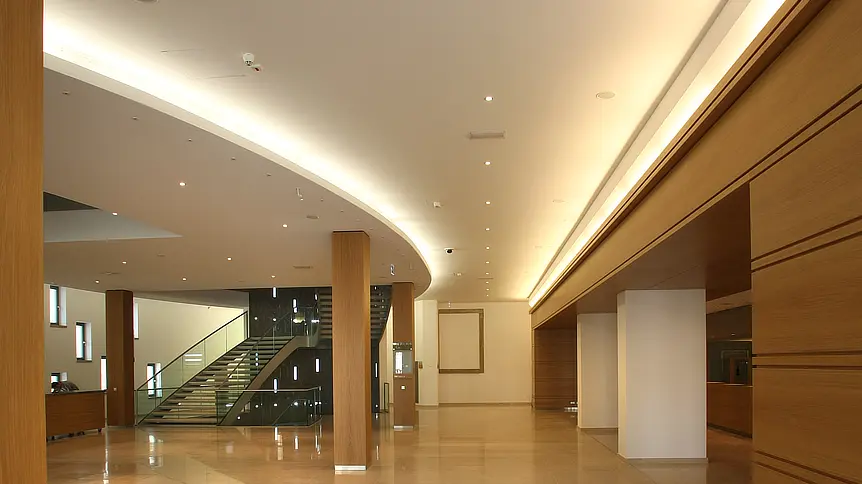
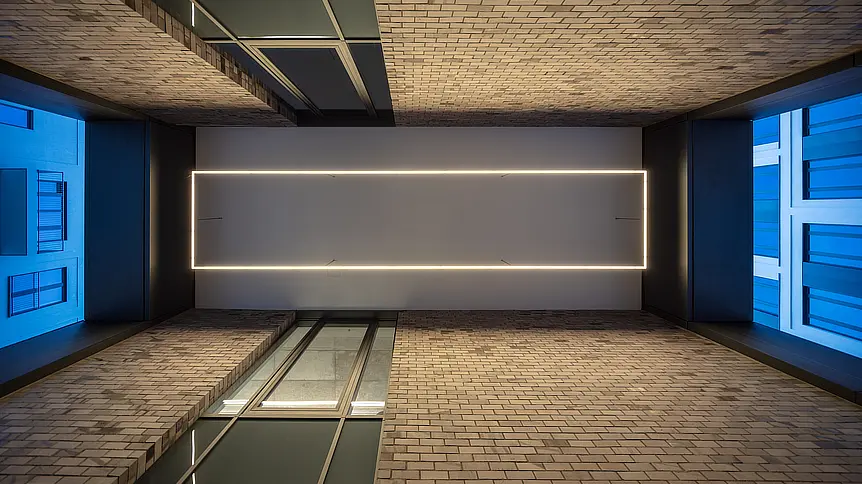
Central ceiling cove / light sail
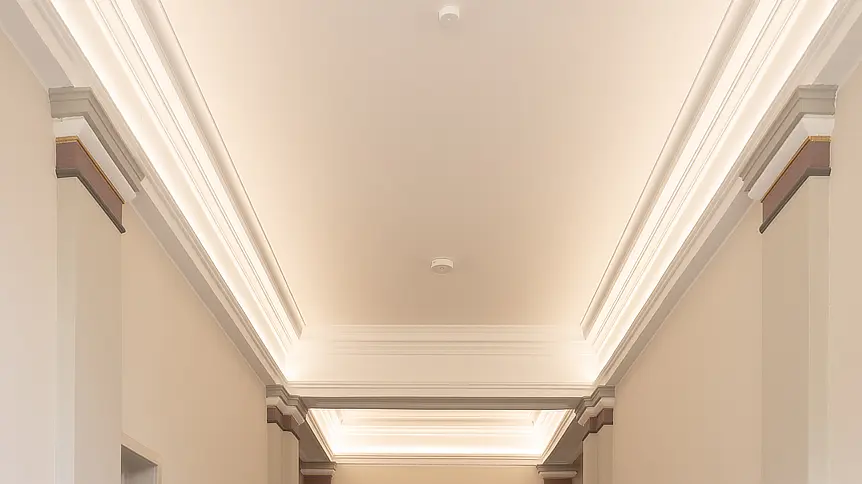
The light source is located above a recessed ceiling element and creates indirect light along its edges. The cove lighting illuminates the entire ceiling frieze, while the recessed inner ceiling panel remains dark, creating the illusion of floating. The light is thus distributed more broadly across the walls, accentuating the room's proportions and making it appear larger.
Effect
- very architectural
- quiet, high-quality atmosphere
- often more directional spatial design
Typical application
- corridors
- Conference rooms
- modern living spaces
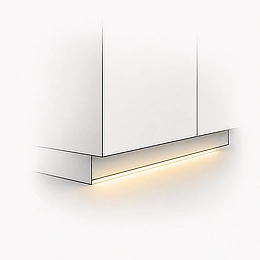
Base lighting
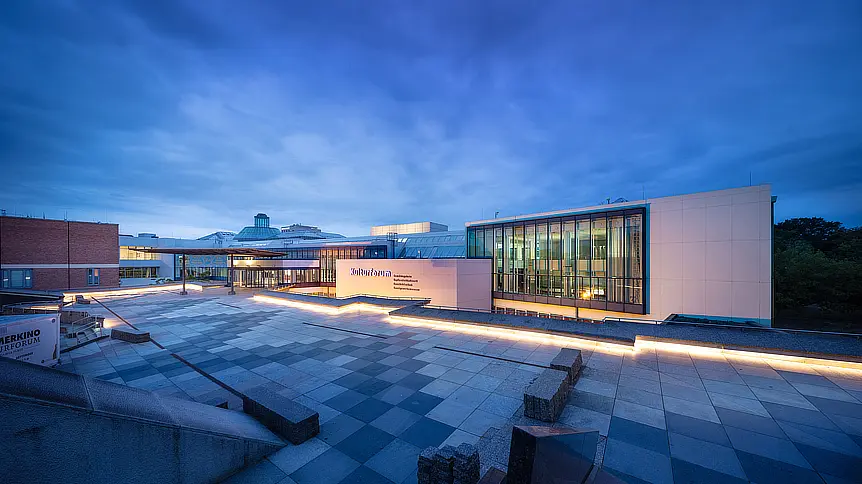
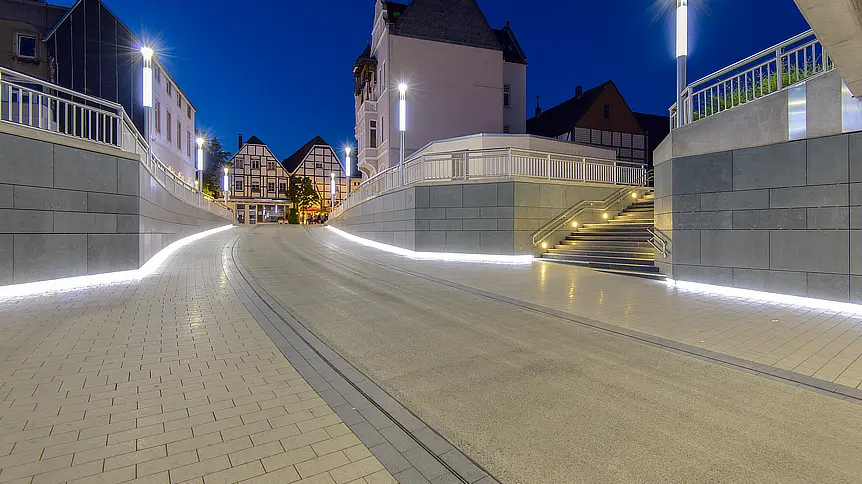
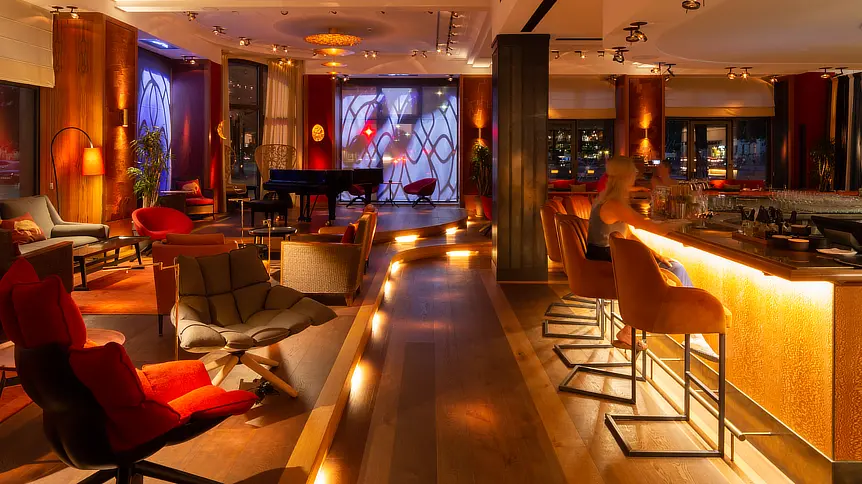
A plinth light – also known as a light island or floating plinth – effectively showcases furniture, walls, or platforms. The concealed light source directs its light horizontally or gently downwards onto the floor, tracing the contours of the respective element. This creates a subtle zone of light that conveys spatial depth and makes the plinth appear to float. At the same time, the low-lying, glare-free light provides pleasant orientation within the room.
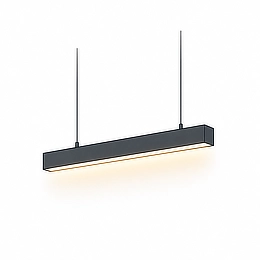
pendant lights
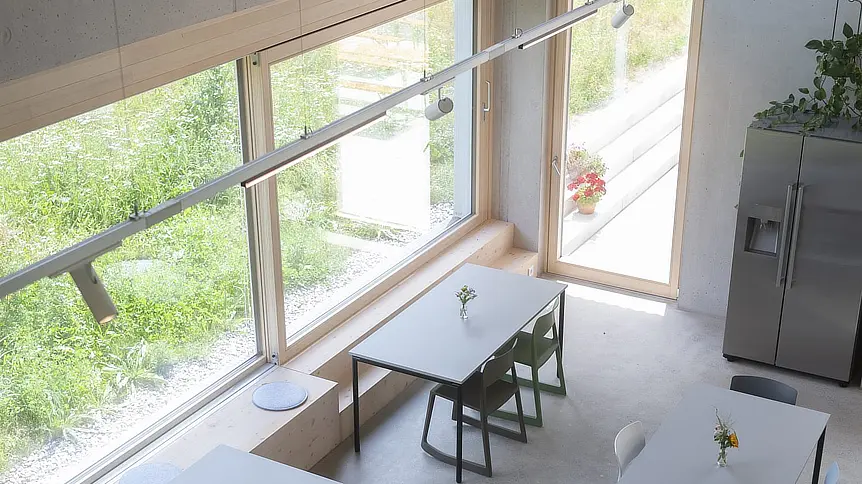
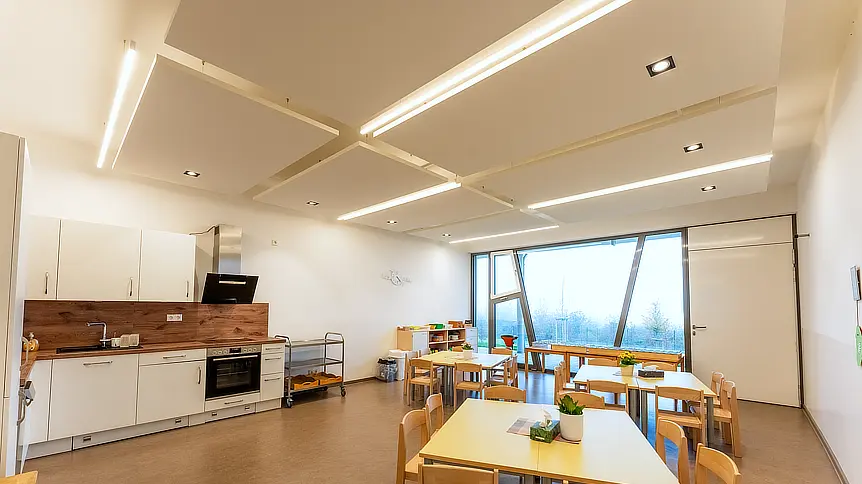
Pendant lights combine functional lighting with a clear spatial effect. Their suspended position brings the light closer to the user, creating a pleasant, glare-free lighting atmosphere. At the same time, they structure the room and visually unify individual areas.
Whether above a table, a counter, or in an open-plan area: pendant lights create a deliberate design accent and a visual focal point. In this way, light is not only used functionally, but also shapes the atmosphere and structure of the room.
Effect
- Creating a homely atmosphere
- Direct/indirect lighting (part of the light shines downwards, part towards the ceiling)
- pleasant light distribution
- glare-free light
- functional work light
- homely touches
- architectural staging
- large-area lighting
- orientation
Typical application
- linear pendant lights
- Offices and workplaces
- Reception and lobby areas
- Hotels and restaurants
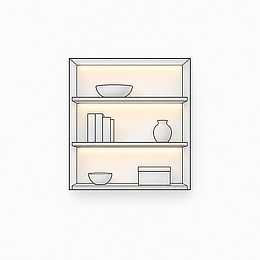
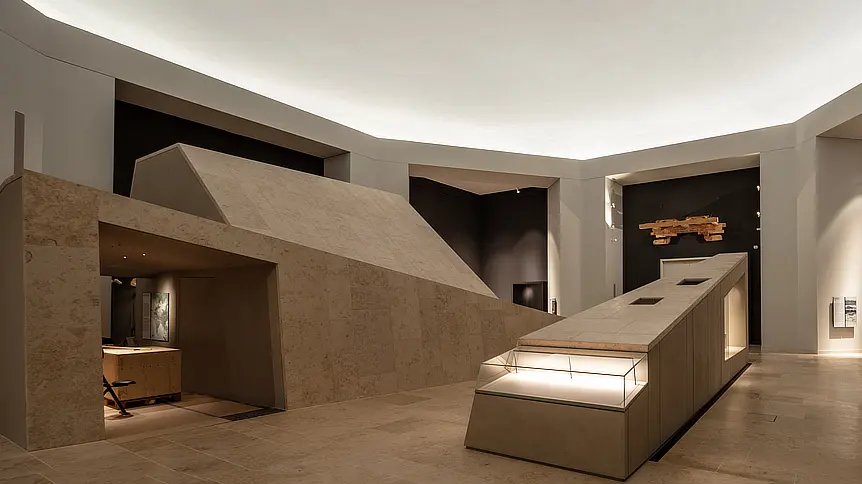
Shelf and display case lighting
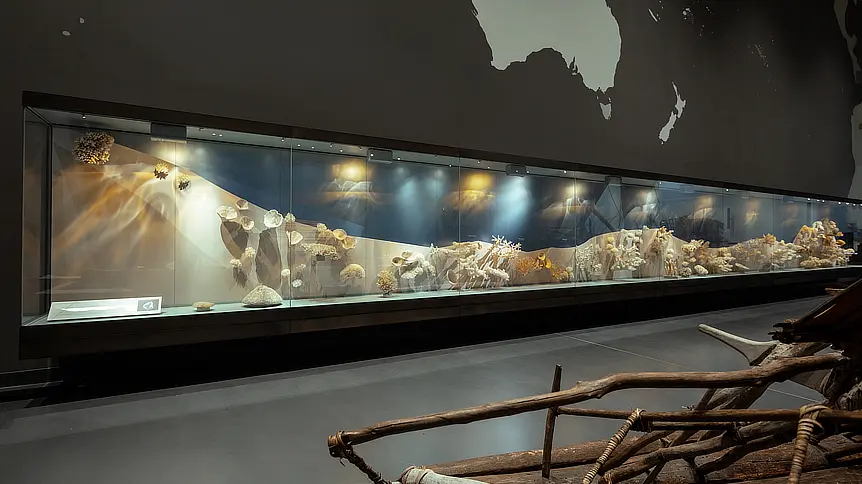
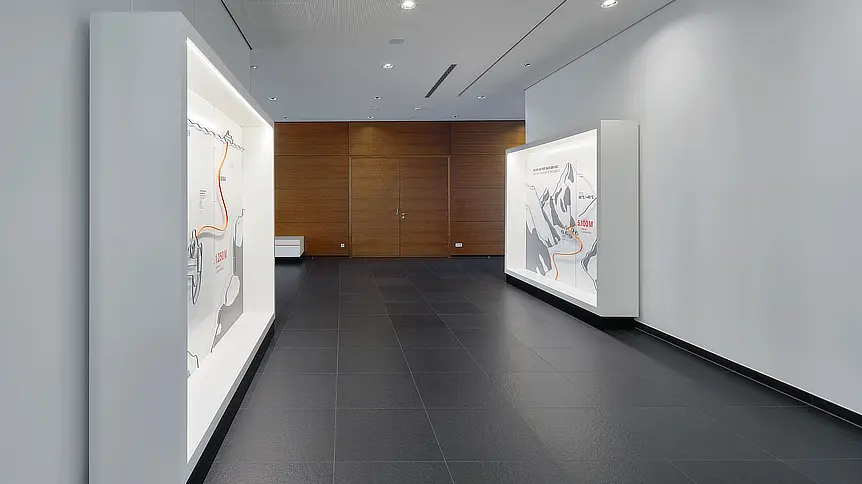
Display case lighting precisely and atmospherically showcases selected objects without being obtrusive itself. Targeted light direction, low heat generation, and the discreet integration of the lighting technology are crucial. Depending on the application, concealed light sources, delicate edge lighting, or minimalist spotlights are used.
The finely tuned lighting highlights shapes, materials, and details. Illuminated edges and glass surfaces can also create a light, almost floating effect, lending the presentation a special elegance.
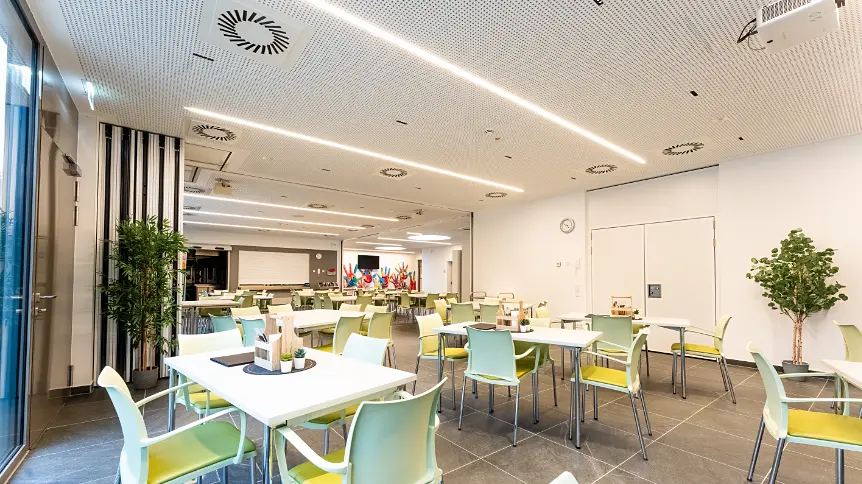
Direct lighting
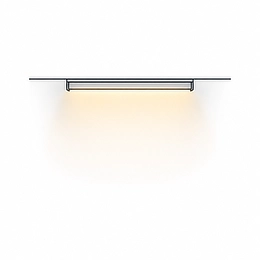
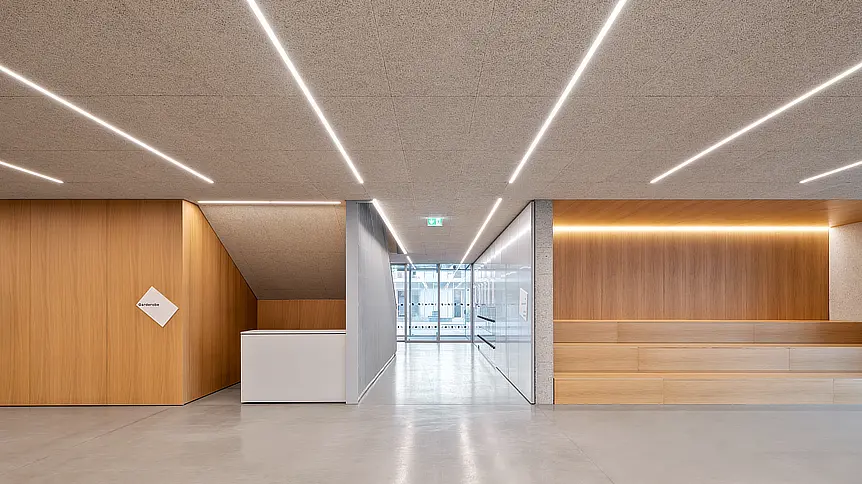
Direct lighting directs the light precisely where it is needed. In contrast to indirect cove or ambient lighting, the majority of the light emerges directly from the luminaire and is directed precisely onto functional surfaces, work areas, or lounges.
The targeted light distribution allows individual areas to be clearly highlighted and visual tasks to be optimally supported. The high luminous efficacy at the working plane enables efficient lighting that effectively combines visibility, orientation, and function.
Stair lighting
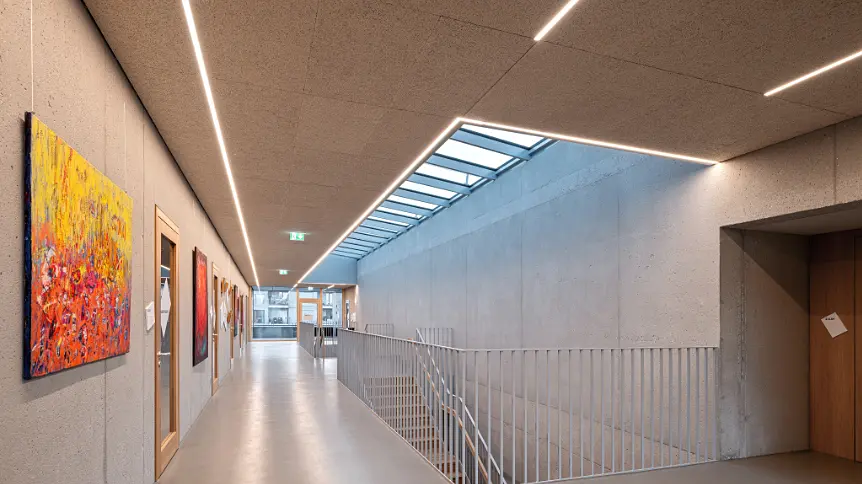
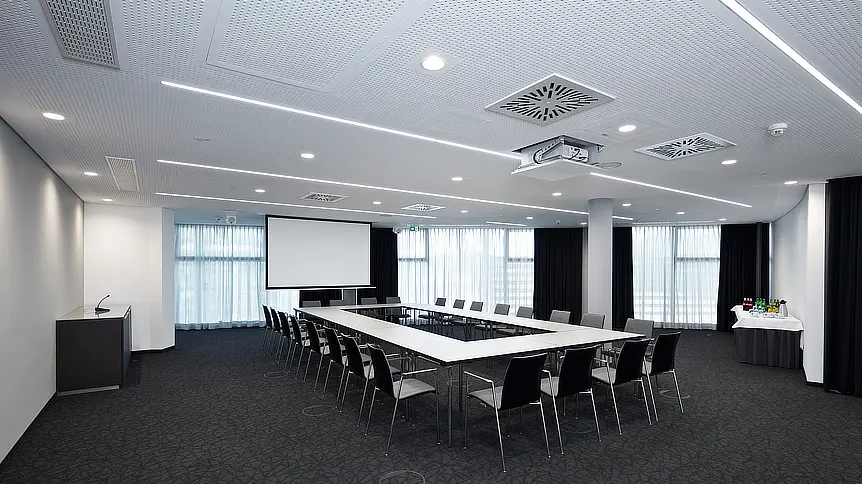
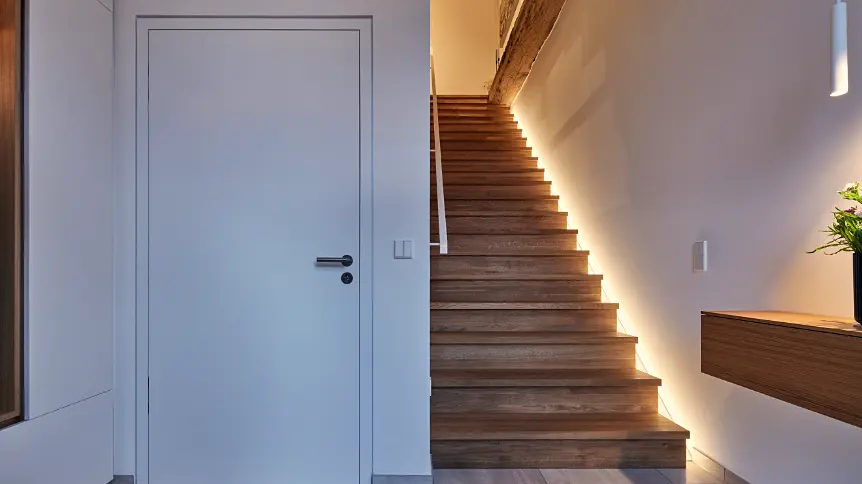
Direct lighting directs the light precisely where it is needed. In contrast to indirect cove or ambient lighting, the majority of the light emerges directly from the luminaire and is directed precisely onto functional surfaces, work areas, or lounges.
The targeted light distribution allows individual areas to be clearly highlighted and visual tasks to be optimally supported. The high luminous efficacy at the working plane enables efficient lighting that effectively combines visibility, orientation, and function.
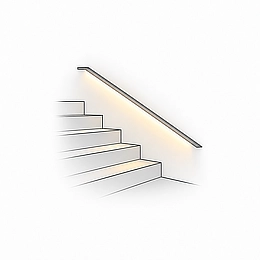
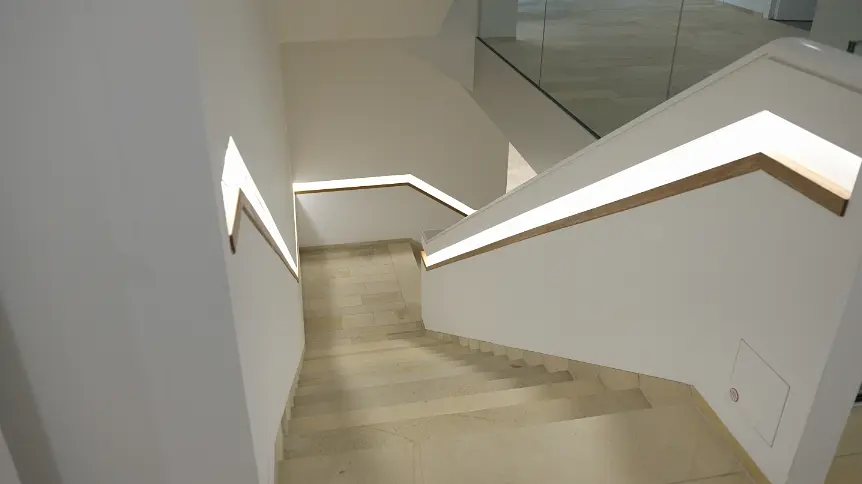
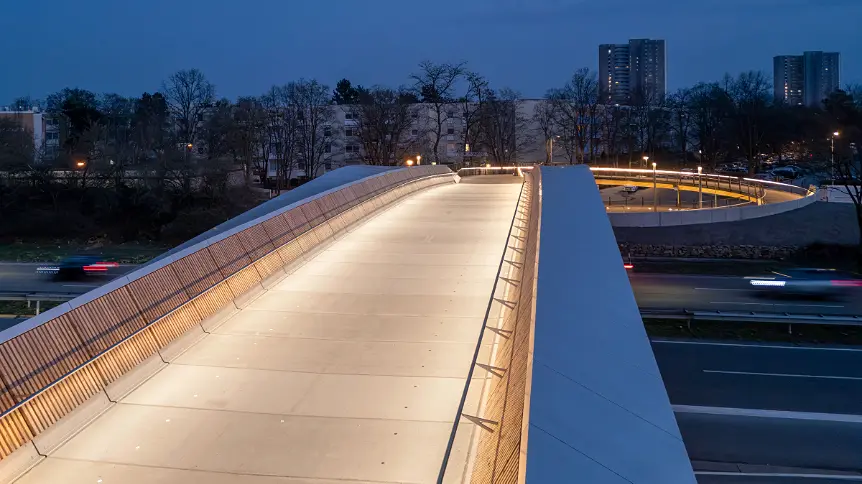
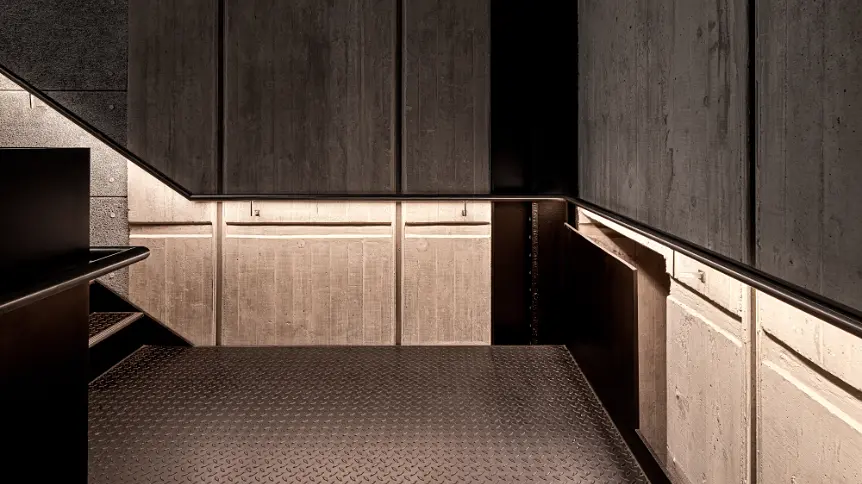
Handrail lighting
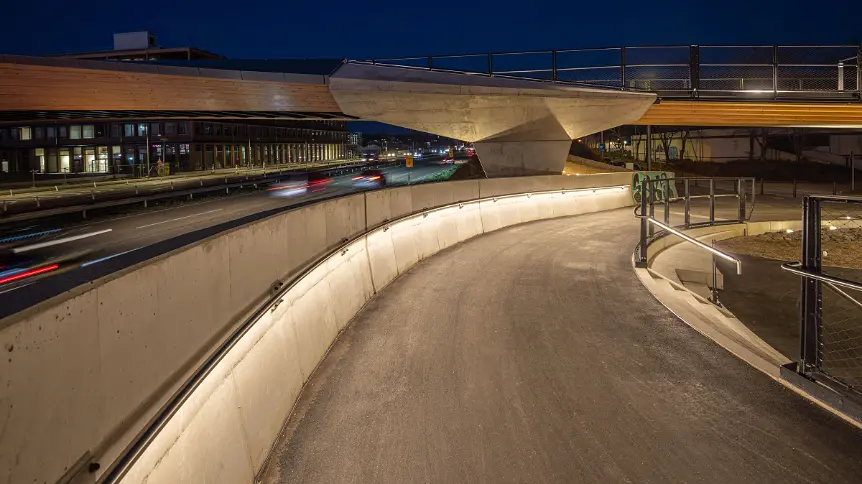
Handrail lighting integrates the lights directly into or beneath the handrail. A uniform line of light follows the staircase, ensuring safe, glare-free orientation. At the same time, the linear lighting accentuates the architecture and lends the stairwell a calm, elegant atmosphere.
Effect
- Orientation and safety
- architectural impact
Typical application
- residential buildings
- Hotels and Architecture
- Public areas
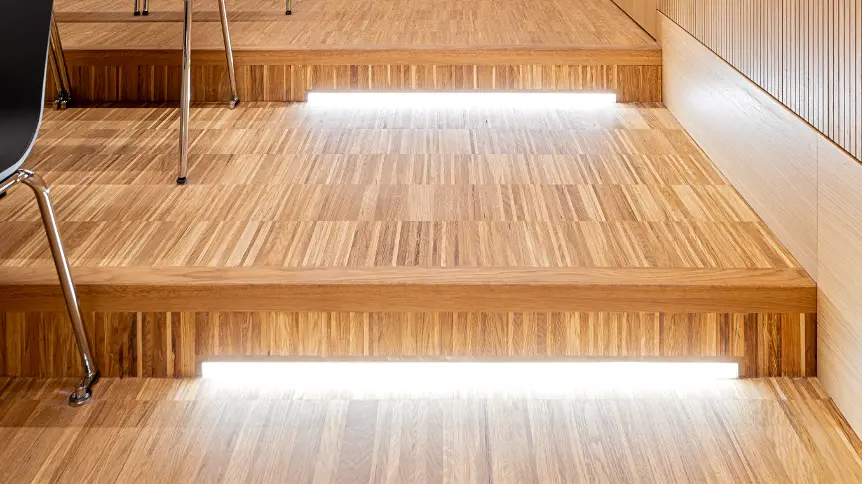
Step lighting
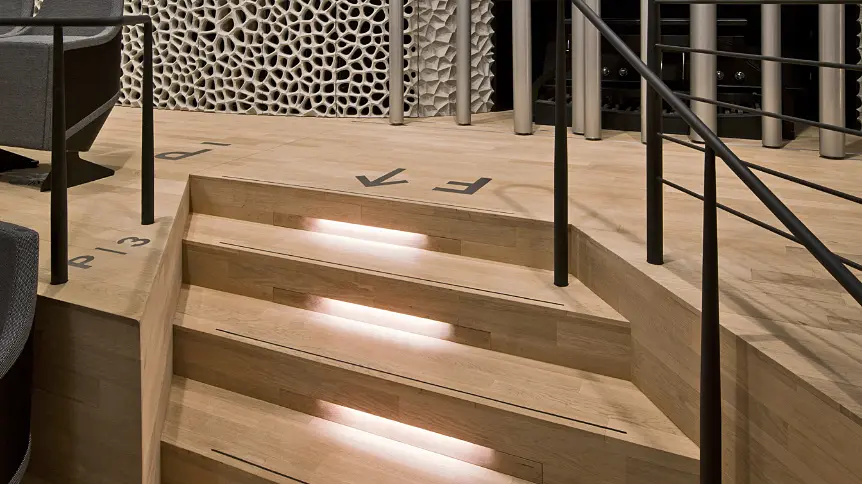
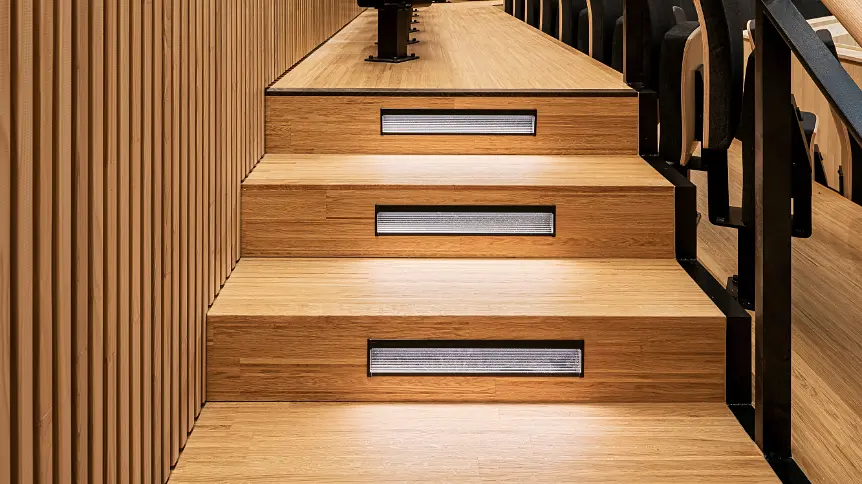
Staircase lighting illuminates each individual step directly. Depending on the staircase design, the lights can be integrated into the side walls, risers, under the stair nosings, or directly into the step profiles. Precise lighting makes the staircase clearly visible, increases safety, and provides a pleasant visual guide for the user from step to step.
Effect
- Orientation and safety
- rhythm
- Staging
Typical application
- Emergency lighting / Escape routes
- Living area
- Night light
Which mounting type is suitable?
The choice of mounting method influences the lighting effect, the spatial effect, and the architectural integration.
pendant lights
Features
- suspended from ropes, poles or cables
- flexible height adjustment
- visible design element
- requires sufficient ceiling height
Light effect
- targeted downward radiation
- Direct or indirect light components are possible
- accentuates surfaces and objects
Spatial effect
- emphasizes verticality and spatial depth
- It has a structuring effect on the space
- can clearly define individual zones
Typical
applications
- Dining tables and counters
- Reception areas and lobbies
- Stairwells and airspaces
- Conference and meeting rooms
Surface-mounted lights
Features
- Mounted directly to the ceiling or wall
- compact, surface-mounted design
- easy installation and maintenance
- also suitable for wall mounting
Light effect
- direct or indirect radiation
- Clearly defined light distribution possible
- uniform and functional lighting
Spatial effect
- calm, minimalist ceiling view
- supports clear spatial structures
- It appears functional and understated
Typical
applications
- Corridors and traffic routes
- Ancillary rooms and functional areas
- Offices and meeting rooms
- Accentuation of wall surfaces
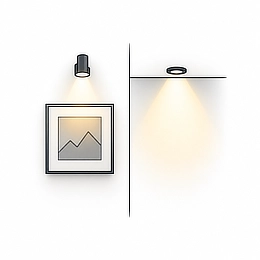
Recessed lights
Features
- integrated into ceilings, walls or furniture
- flush and discreet
- high-quality, discreet integration
- Early planning and appropriate cutouts are required
Light effect
- Precisely and glare-free plannable
- Different radiation patterns are possible
- Suitable for accent and general lighting
Spatial effect
- minimalist, uncluttered appearance
- allows the architecture to take center stage
- High-quality and timeless appeal
Typical
applications
- Reception areas and galleries
- Living rooms and kitchens
- Baths and wellness areas
- Hotels and high-quality offices
Accent lighting or general lighting
Accent lighting and ambient lighting are among the most important principles of lighting design. Only the interplay of these two types of light creates spaces that are both functional and atmospheric. Ambient lighting makes a room usable—accent lighting makes it interesting.
Accent light
Accent lighting directs attention to specific areas or objects.
It creates focus, hierarchy, depth, and atmosphere.
Not the entire room is illuminated—only selected elements.
Features
- Distance to the ceiling
- Light closer to the usable area
- strong design impact
- often decorative
Light effect
- directed light
- Formation of islands of light
- atmospheric and zoning
Spatial effect
- creates closeness and structure
- emphasizes certain areas
- appears homely or representative
Typical applications
- Dining tables
- Kitchen islands
- Conference tables
- Reception areas
Basic lighting
The ambient lighting provides general brightness in the room.
It creates orientation, safety, and visual comfort.
The entire room is illuminated relatively evenly.
Features
- surface lighting
- uniform brightness
- more functional
- low contrast
Light effect
- good orientation
- pleasant ambient light
- functional
- reduces dark areas
Spatial effect
- objective and functional
- technical or reserved
- little influence on spatial depth
Typical applications
- corridors
- offices
- cellar
- Technical rooms
- Renovations